In our previous discussions, we explored the clinical and human impacts of the healthcare workforce shortage. But as we move into 2026, a new consensus is emerging among health systems and payers alike: digital health is the most powerful engine for financial sustainability we have ever seen.
It is no longer about just buying software. It is about a fundamental shift in the economics of care – one that reduces the detective work for doctors, improves adherence for patients, and delivers massive ROI for health systems and insurers.
Removing the Efficiency Tax on Clinicians
Every minute a doctor spends as a “data detective” is a minute of lost productivity and revenue. Administrative waste – largely driven by fragmented data and manual workflows – costs the U.S. healthcare system an estimated $265.6 billion annually.
By providing instant access to unified patient history and relevant insights, systems are seeing a dramatic shift:
- Higher Patient Throughput: Clinicians spend less time clicking and more time treating.
- Reduced Redundancy: Instant clarity prevents the “re-ordering” of expensive diagnostic tests that were already performed elsewhere.
- Increased Revenue: Efficient documentation and AI-assisted coding can increase reimbursement by as much as $13,000 per clinician.
Closing the $300 Billion Adherence Gap
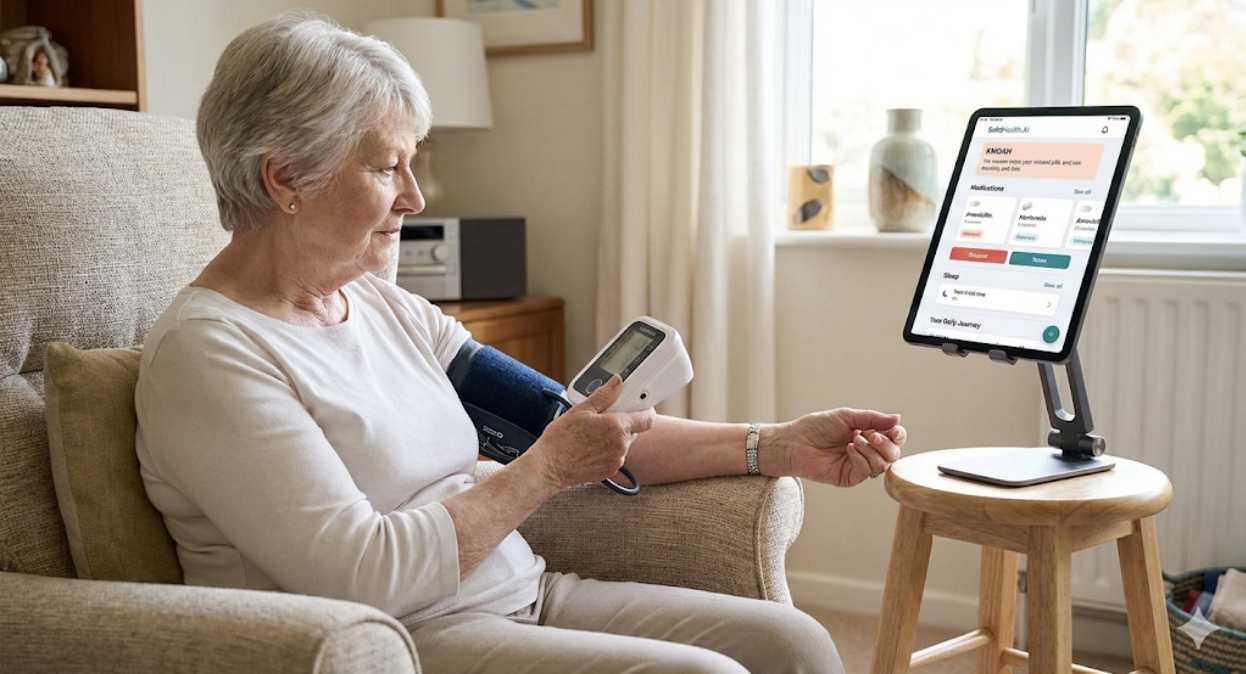
When patients leave the clinic, the treatment plan often falls apart. Medication non-adherence alone generates between $100 billion and $300 billion in avoidable healthcare expenses every year due to emergency treatments and prolonged hospital stays.
The entire ecosystem benefits when we close this gap:
- For Payers: Proactive adherence programs prevent the high-cost, acute events that drain balance sheets.
- For Systems: Remote Patient Monitoring (RPM) has been shown to reduce hospital readmissions by nearly 50% to 76% in certain chronic populations.
- For Patients: Better adherence leads to faster recovery times and higher quality of life.
The Macro View: Healthspan as a GDP Engine
The ultimate economic goal is to increase healthspan:the years people live free from chronic disease. This isn’t just a clinical metric; it’s a national economic imperative.
When people remain healthy and positive contributors to the economy for longer, the gains are astronomical. Extending the healthy life expectancy of the U.S. population by just one year is projected to add $123 trillion to the U.S. GDP over the coming decades.
A Unified Future
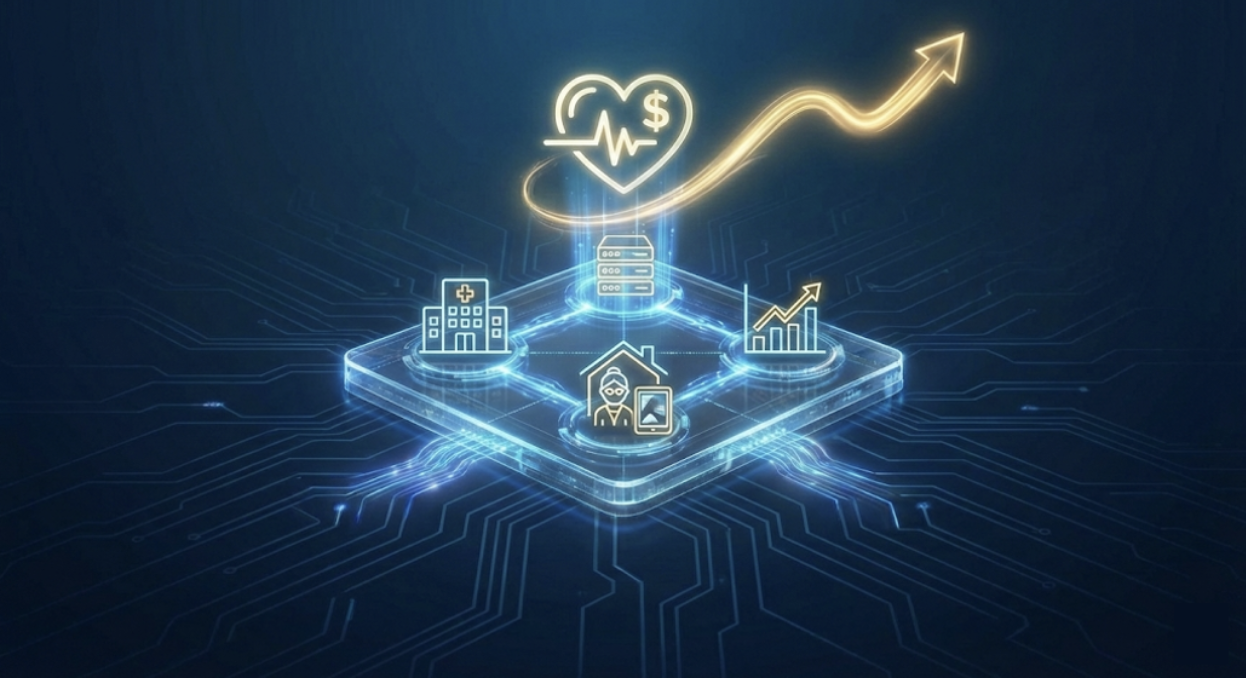
Health systems, insurers, providers and patients are finally aligned. We are moving away from a labor-heavy, reactive model toward an AI-enabled, proactive platform. The results are clear:
- Lower Unit Costs: Payers can deliver high-quality services at a lower cost per member.
- Better Margins: Hospitals can manage larger populations with fewer in-person resources while maintaining quality.
- Affordability: These efficiencies are the only way to make healthcare truly affordable for the American public in the long term.
The Cognitive Load Revolution and Connected Care aren’t just clinical improvements – they are the blueprints for a more prosperous, sustainable nation.
Sources
- Deloitte Insights: 2026 US health care outlook
- DrKumo: Telehealth Market Growth: $175B by 2026 & Digital Healthcare Trends
- PwC: The future of the healthcare payer: Half the cost, twice the service
- HealthArc: Remote Patient Monitoring ROI in 2026: Costs, Benefits & Is It Worth It?
- Galen Growth: The Great Remote Patient Monitoring Reckoning (Nature Aging citing $123 Trillion GDP gain)
- Business Insider: BrightInsight AI-Enabled Medication Persistence and Adherence Solutions (CDC citing $300B non-adherence cost)